

Automotive Fob Programming
Aftermarket Fobs
There are many types of fobs; Smart Keys, Fobs with a Flip Key which ejects for convenient usage and of course the latest type of car fobs the Proximity Fob whitch carries a discreet key concealed in the fob known a knife, which can be used in an emergency to access the vehicle easy.
Aftermarket car key fobs are generally cheaper and more readily available than Original Equipment Manufacturer fobs. This means in many cases the bonding of the key to the vehicle can be less problematic than some programming procedures than OEM Fobs and most can be reset if needed.
New Fob, Just Call
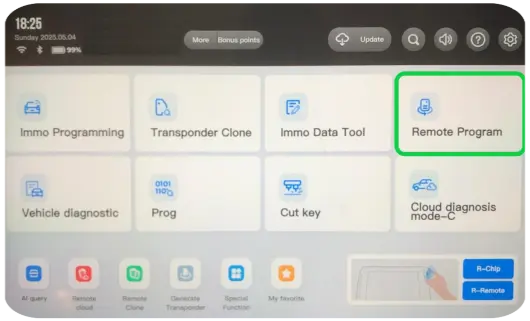
Fob Programming
I carry many After Market Fobs in stock and the correct Fob needs to be chosen for the vehicle at hand. Once the Fob is choosen the Fob must be Programmed for the Make and Model, once this is achieved the vehicle can then learn the Key Fob. This programming process allows the vehicle's immobilizer system to "learn" the fob and recognize its unique transponder encryption, ensuring only authorized keys can start the car so the key must be cut first.
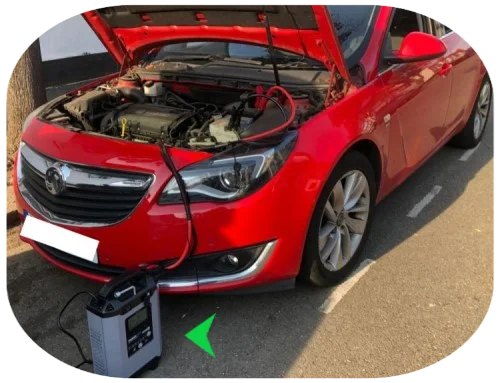
Battery Support
Here's why it matters:
Battery support is one of the most important pieces of equipment an automotive locksmith uses during key programming. It isn't simply to keep the battery charged—it's to maintain a stable system voltage while the vehicle's electronic control units (ECUs) are communicating.
1. Prevents Voltage Drops
Modern vehicles can draw a significant amount of current when the ignition is on. During key programming, several control modules are awake simultaneously, including: Body Control Module (BCM), Immobiliser, Engine Control Module (ECM/PCM), Instrument cluster, Gateway modules. If the battery voltage drops below around 12 volts (the exact threshold varies by manufacturer) programming can fail and brick the vehicle.
2. Protects Control Modules
Some manufacturers warn that low voltage during programming can: Corrupt EEPROM or flash memory writes. Leave modules partially programmed. Trigger immobiliser faults.
In rare cases, render a module unusable ("BRICKED") until specialist recovery or replacement. Replacing or repairing a damaged BCM or immobiliser can cost hundreds or even thousands of pounds.
3. Maintains Stable Communication
Programming equipment communicates with the vehicle over the CAN, LIN, FlexRay, or Ethernet Networks. Voltage fluctuations can interrupt communications, causing errors such as: Programming Failed. Lost Communication with a Module, Access Denied, or Session Timed Out. A battery support unit helps ensure the communication remains uninterrupted.
4. Compensates for Weak Batteries
Many customers call an automotive locksmith because the vehicle has been sitting unused after losing all keys. The battery may already be: Partially discharged. Several years old.
Unable to maintain voltage under load.
Battery support supplies clean, regulated power so the locksmith isn't relying on the condition of the client's battery.
5. Required by Many Manufacturers
OEM service information from manufacturers such as: Audi, BMW, Ford, Jaguar, Land+Range Rover, Mercedes-Benz, Nissan, Seat, Skoda, Volkswagen often specifies that a regulated battery support unit should be connected whenever programming or software updates are performed.
Why Not Just Use a Battery Charger?
A standard battery charger isn't the same as a battery support unit. A battery support unit delivers a regulated voltage (typically between 13.2 and 14.8 volts, depending on the vehicle and procedure which responds quickly to changing loads.
In addition battery support unit produces very low electrical ripple and provides high continuous current ,often 30–100 amps.
Many conventional chargers produce fluctuating voltage and electrical noise, which can interfere with sensitive programming.
Real-World Example
Imagine programming a new proximity key on a modern Ford. The ignition is on, the BCM, gateway, instrument cluster, and immobiliser are all awake, and the cooling fan or daytime running lights suddenly operate. The battery voltage momentarily drops from 12.4 V to 11.6 V. If this happens while the BCM is writing security data, the programming session may abort, requiring the process to be repeated—or, in the worst case, specialist recovery if the module becomes corrupted.
Always Necessary?
For older vehicles with simpler immobiliser systems, experienced locksmiths may successfully programme keys without external support if the battery is in excellent condition. However, on most modern vehicles, especially those with sophisticated immobilisers or proximity systems, using a battery support unit is considered best practice and is recommended by many manufacturers.
For a professional automotive locksmith, a quality battery support unit is as essential as the key programmer itself. It helps reduce programming failures, protects expensive electronic modules, and increases the likelihood that the job is completed safely and successfully on the first attempt.
Empowered
by